150 Years of Going Down
THE EXPEDITIONS
From a sailing ship dragging a net to a solo dive to the bottom of the world — the history of deep-sea exploration in six descents.
From a sailing ship dragging a net to a solo dive to the bottom of the world — the history of deep-sea exploration in six descents.
Showing 6 of 6 expeditions
A British sailing ship circles the globe for four years, dredging the deep and hauling up 4,700 species new to science. It proves, against the belief of the day, that life exists at every depth. Oceanography is born on this voyage.
William Beebe and Otis Barton descend in a steel ball the size of a bathtub, lowered on a cable. At 923 m off Bermuda they become the first humans to see the midnight zone alive — and radio back descriptions of animals no one believed existed.

Jacques Piccard and Don Walsh ride the bathyscaphe Trieste to the floor of Challenger Deep, 10,916 m down. They sit on the bottom for twenty minutes, watch a flatfish swim past the viewport, and take seven hours to come back up. No one returns for 52 years.
Robert Ballard's team locates the wreck of RMS Titanic on the North Atlantic floor. The discovery proves deep-towed cameras can find a needle in a seabed haystack — and turns the midnight zone into the world's most famous archaeological site.
Filmmaker James Cameron pilots a one-person submersible to 10,908 m in Challenger Deep, alone, collecting samples and filming in 3D. He spends three hours on the bottom — the longest human stay there until 2019.
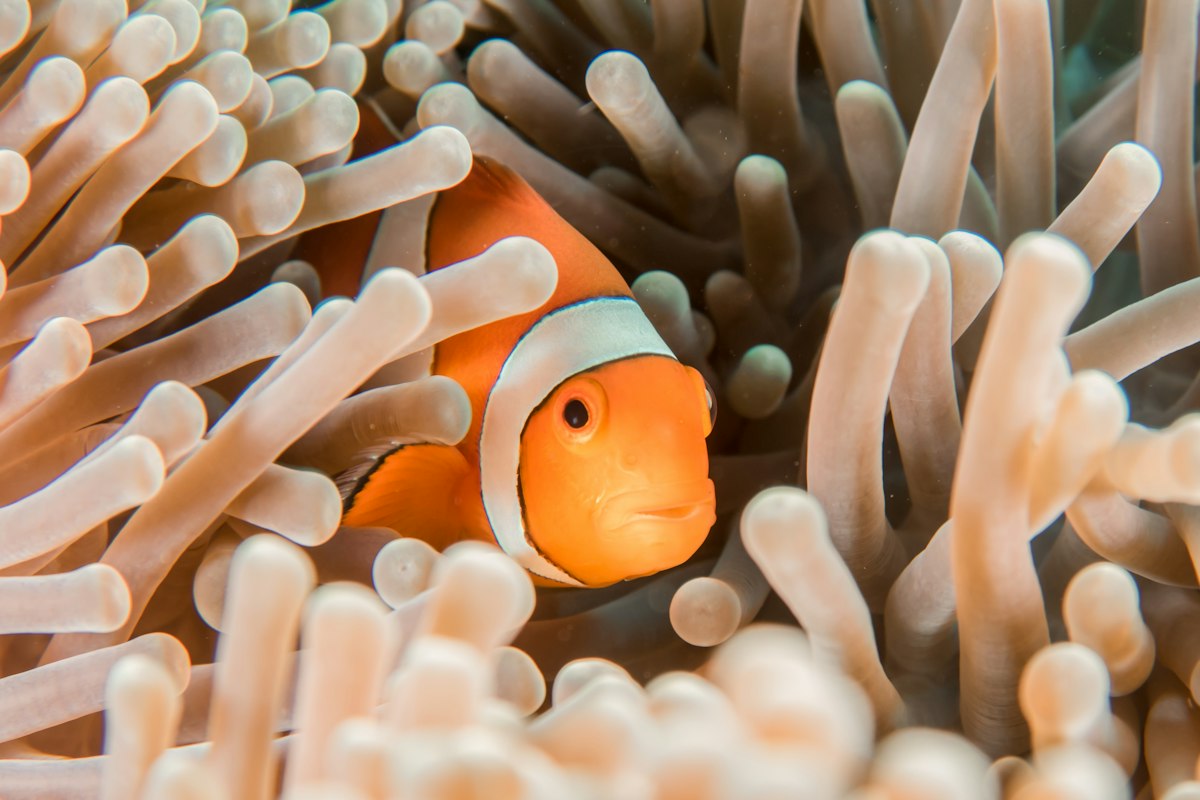
Victor Vescovo dives Challenger Deep to 10,927 m — the deepest solo dive ever — and completes the Five Deeps, visiting the deepest point of every ocean. In 2023 a Japanese-Australian team films a snailfish at 8,336 m in the Izu-Ogasawara Trench: the deepest fish ever recorded on camera.
Every generation of exploration starts with someone being told the deep is empty, hostile, or not worth the risk — and ends with the same discovery: it is full of life, and we have barely begun. The next descent is always the most interesting one.