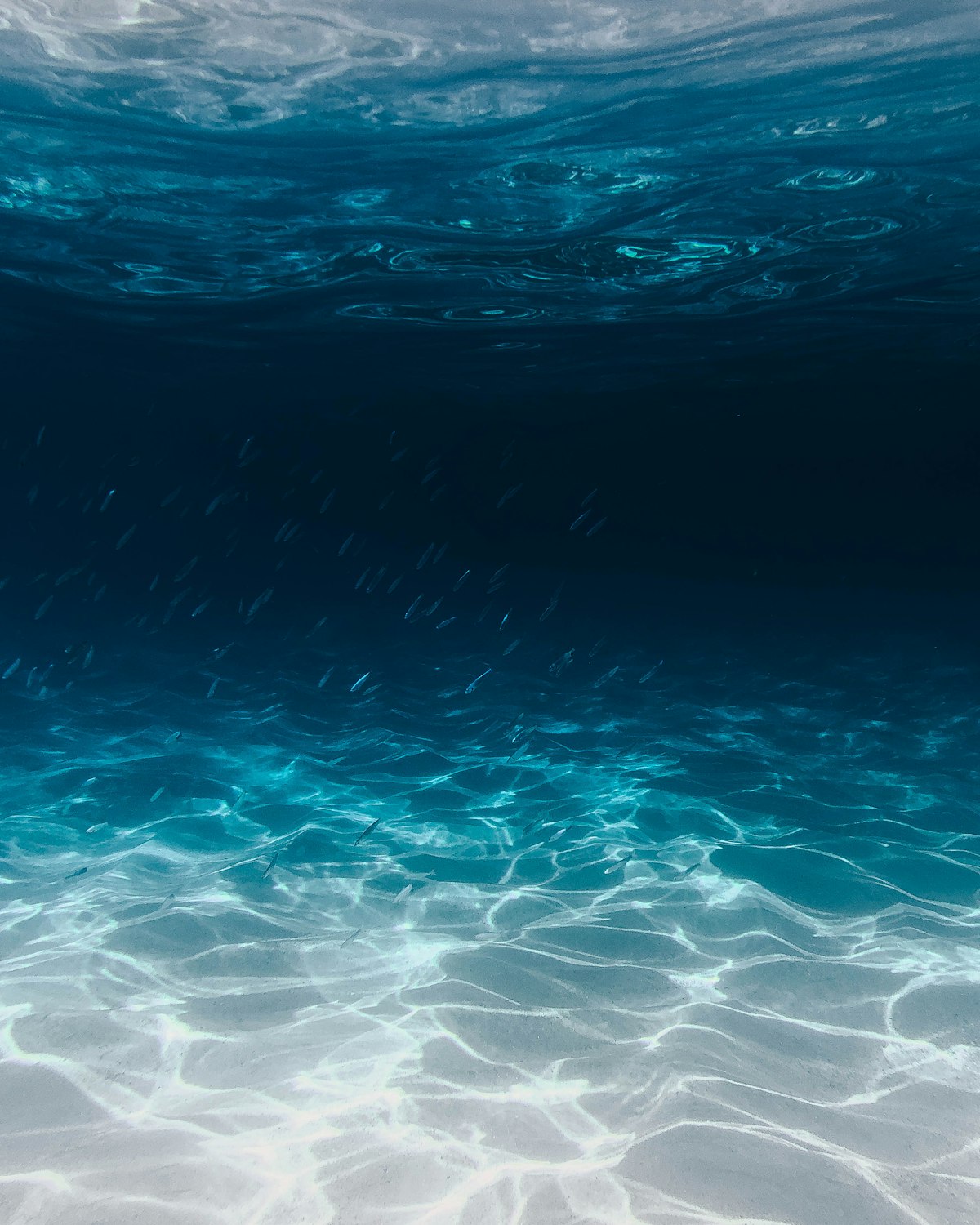
Below 200 metres the sunlight dies, the pressure crushes, and life gets stranger than any science fiction. We go down there — with cameras, submersibles and stubborn curiosity — to map what no one has ever seen.
Simulated live telemetry from our survey submersible, holding station in the deep — refreshed every second.
6,200 mSubmersible depth
621 barPressure outside the hull
2.4 °CWater temperature
5.1%Ocean floor mapped in detail
Hadal ZoneCurrent zone
--:--:--UTC time
Simulated telemetry for illustration — values are computed from a drift model, not a live downlink.
Why the deep matters
An ocean we barely know
The ocean covers 71% of this planet, yet we have mapped the surface of Mars in finer detail than the floor of our own seas. Every descent brings back animals no one has described, chemistry no textbook predicted, and questions we did not know to ask.
10,935 mChallenger Deep — the deepest known point on Earth
1,086 barPressure at the bottom — like 50 jumbo jets on your head
~95%Of the ocean remains unexplored by humans
2 °CWater temperature in the abyss, year round
Descent simulator — ride down to the bottom
Press start and watch the submersible fall from the sunlit surface to Challenger Deep. About 45 seconds, 10,935 metres, five worlds on the way down.
0 mCurrent depth
Sunlight ZoneCurrent zone
1 barPressure
Ready at the surface. The water is 20 °C and the sun is shining.
From the logbook — a deep fact
Hydrothermal vent water can reach 400 °C — and still not boil. The crushing pressure keeps it liquid.
Five worlds, stacked
The five zones of the deep
From sunlit shallows to crushing trenches, the ocean is five different worlds stacked on top of each other. Each one has its own light, temperature, pressure — and its own cast of animals.
0 – 200 m · Sunlight Zone
The Sunlit Layer
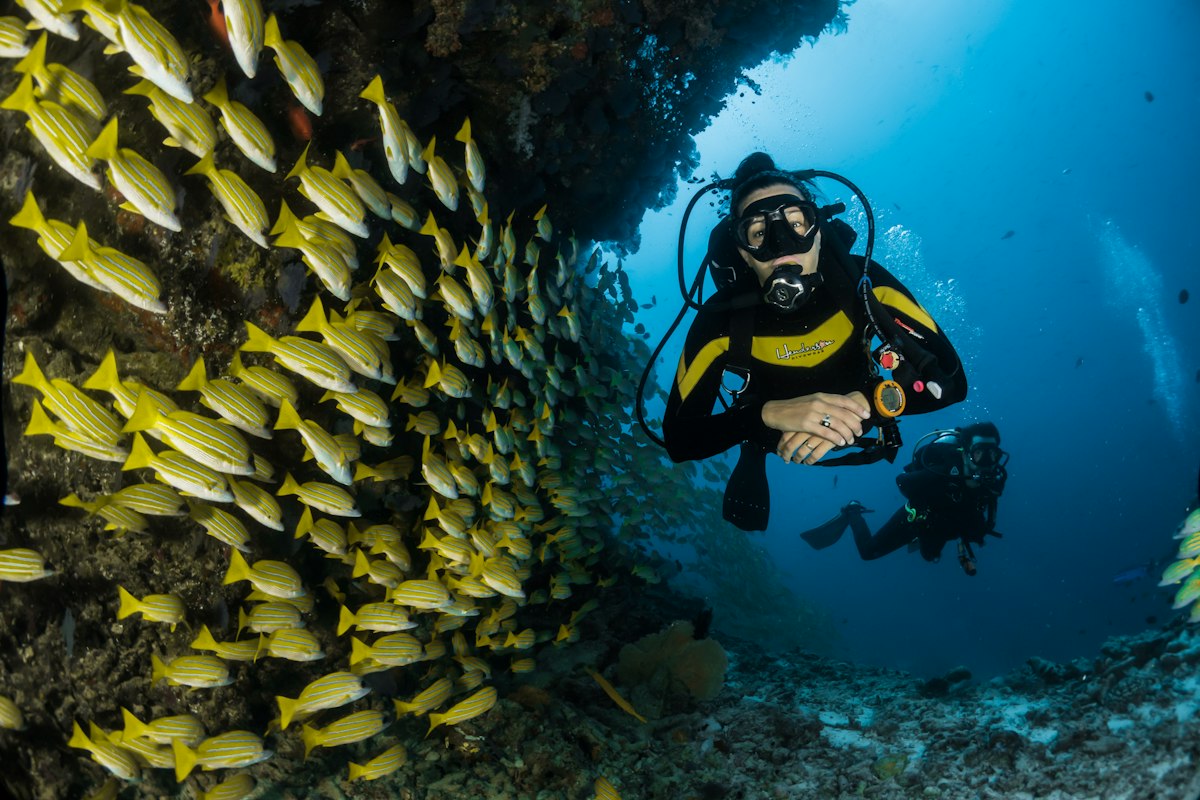
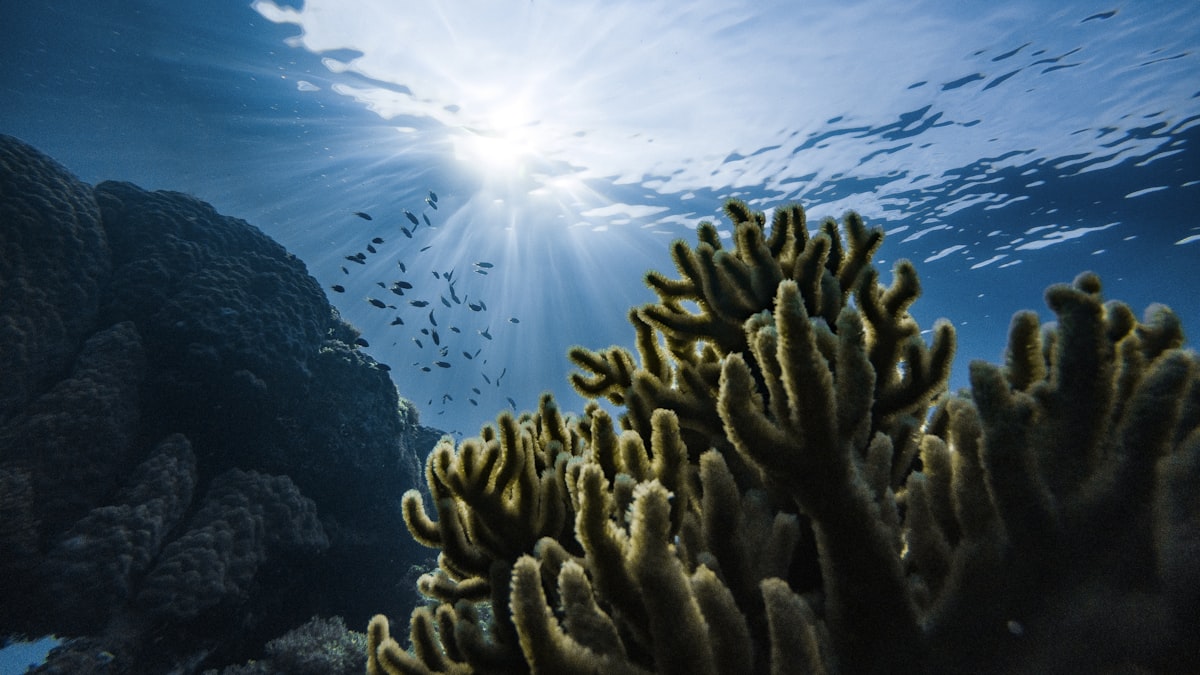
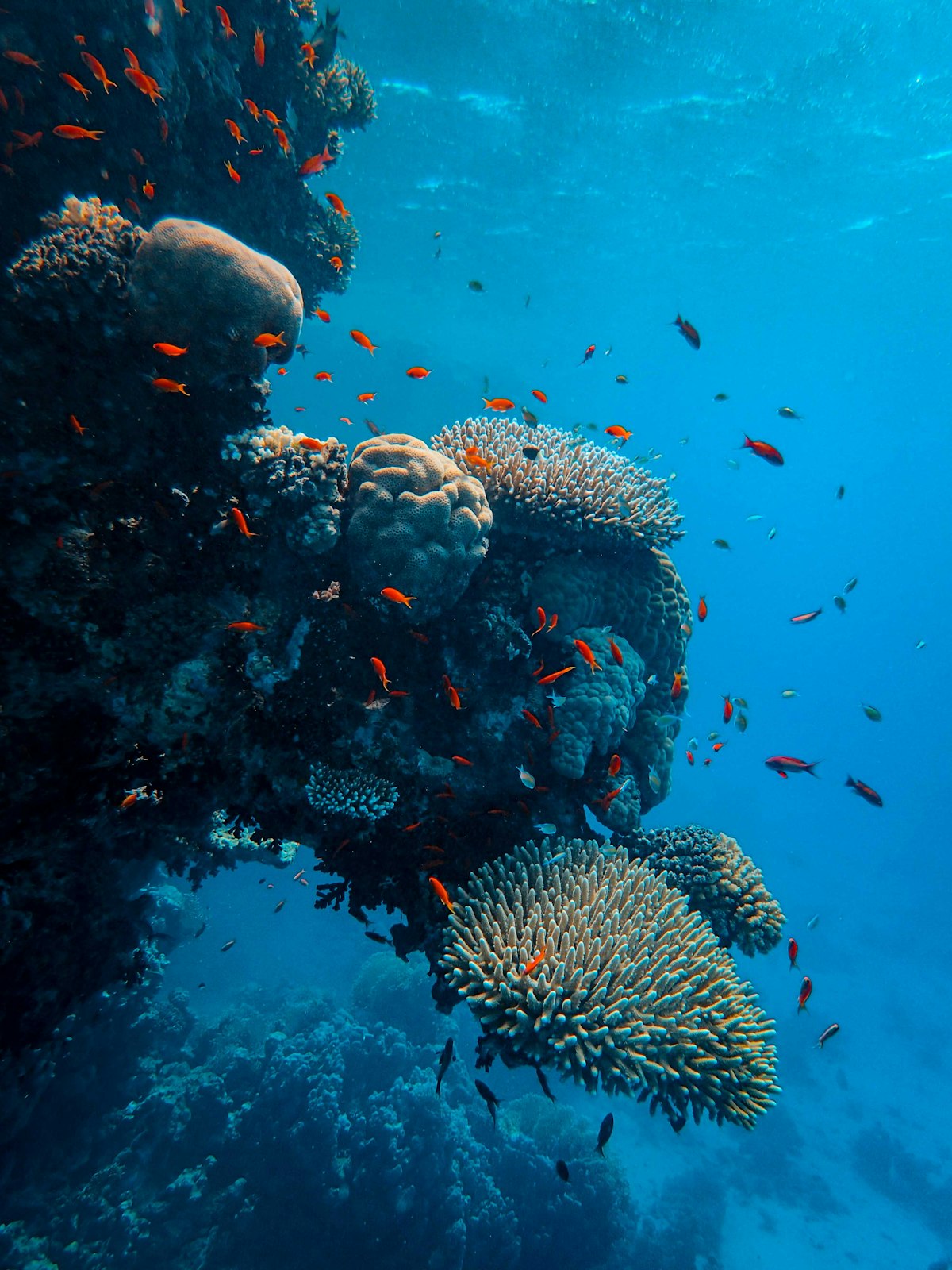
Where almost all ocean life lives. Coral reefs, kelp forests and 90% of all marine species crowd into this thin, bright skin of the sea.
No sunlight at all. Animals make their own light — glowing lures, flashing photophores, and the largest mouths relative to body size in the animal kingdom.
A living fishing rod. The female dangles a glowing lure in front of a mouth full of needle teeth. The male is a tenth her size — and never lets go.
BioluminescentAmbush predator
Sunlight Zone · 0 – 200 m
The Sea Turtle
Older than the dinosaurs in design, unchanged for 110 million years. A single female may cross an entire ocean to return to the beach where she was born.
Ancient marinerLong-distance migrant
All Zones · 0 – 11,000 m
The Snailfish
The deepest fish ever filmed — at 8,336 metres in the Izu-Ogasawara Trench, 2023. Pale, translucent, and perfectly at home under 800 atmospheres.
Every 10 metres down adds another atmosphere of pressure. At the depth of the Titanic — 3,800 m — the pressure is about 380 times what you feel right now. Work out what any depth feels like in the Depth Lab.